Problem
The dashboard began as a transactional utility. Developers came to grab API keys, check logs, submit support tickets, and leave.
As Plaid expanded beyond a handful of products, Dashboard quietly became the primary surface customers used to onboard, launch, operate, and grow their businesses. The experience had not evolved alongside that shift. Customers were expected to navigate a growing platform largely on their own, with little guidance, context, or visibility into what mattered next.
Role & scope
I led design for Dashboard as its design lead, partnering with product and engineering to shape onboarding, launch, operational, and growth experiences across the platform. Over a multi-year effort, I helped establish the long-term vision for Dashboard as a customer platform rather than a collection of product-specific tools. My scope spanned customer-facing and partner-facing experiences, including onboarding, production access, launch, and operational workflows.
Approach
Rather than organize Dashboard around products and internal teams, I reframed it around the customer journey. Customers did not experience Plaid as a collection of APIs or product lines. They experienced it as a sequence of stages, each with different needs.
I led a cross-functional effort to map the lifecycle from acquisition through onboarding, launch, ongoing operations, and growth, creating a shared model for understanding customer needs at each stage. That work revealed a larger challenge: teams were optimizing for individual products rather than the overall customer experience. To create consistency without forcing sameness, I established principles that guided Dashboard investments: keep each experience relevant and simple, design for fast and intentional workflows, turn information into actionable insight, and build patterns reusable enough that new experiences could adopt them. The aim was not a one-size-fits-all Dashboard but a system that could be specific to each stage and customer type while staying coherent as it grew.
Adapting Home to the lifecycle
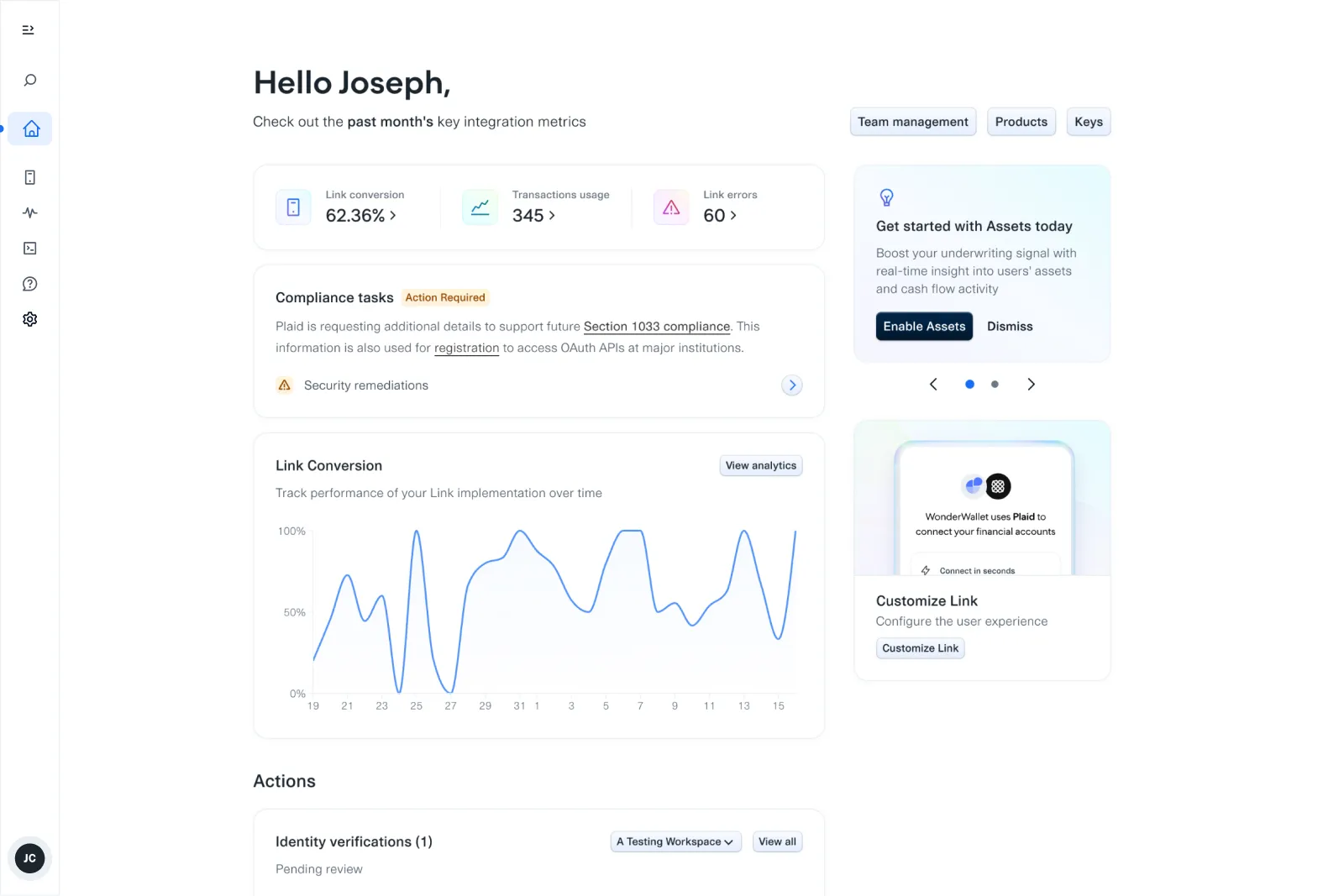
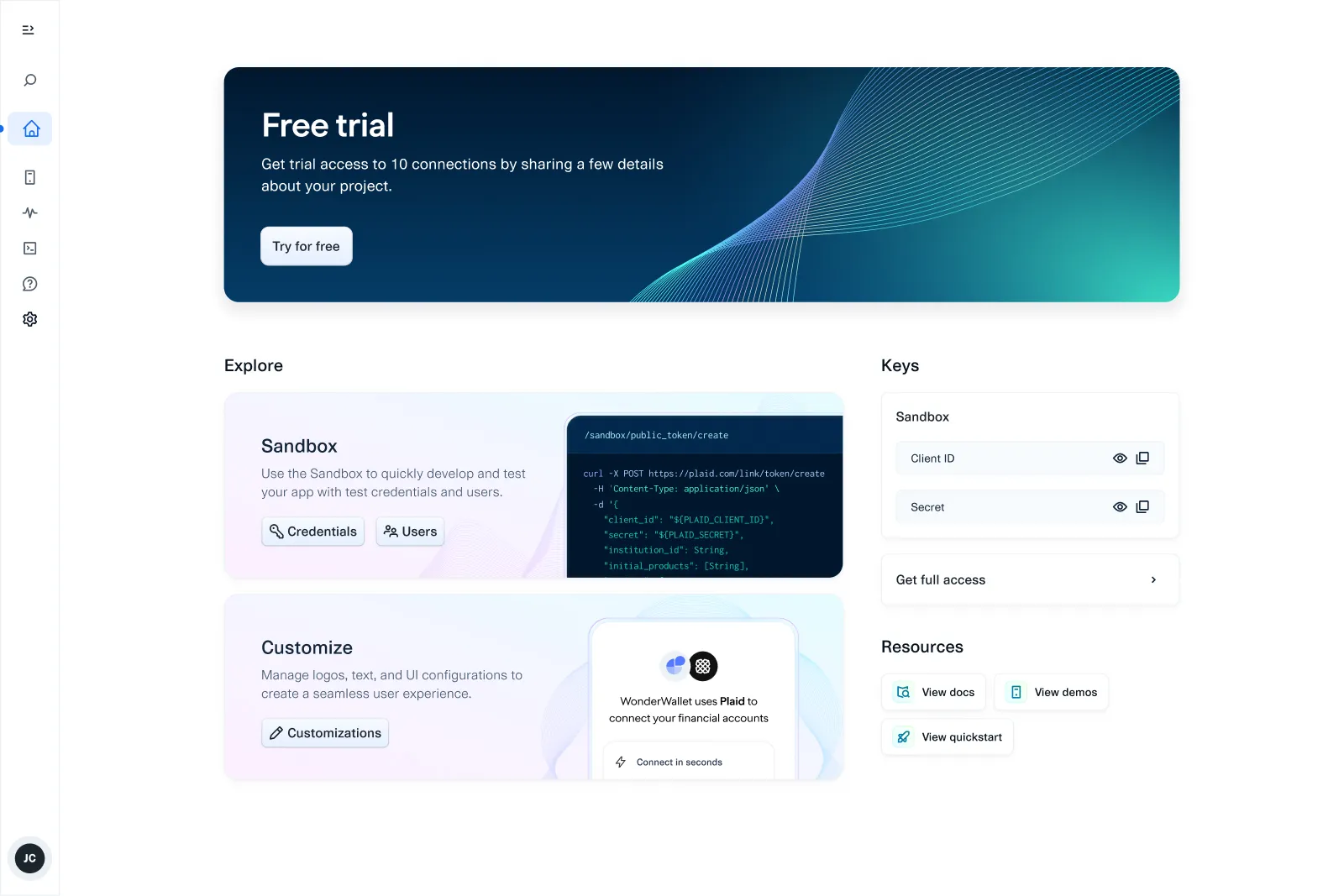
Home became the focus because it was the one surface customers returned to at every stage of their journey. The same page had to open as a first-time experience, guide onboarding and compliance, surface implementation tasks through Launch Center, and mature into an operational hub for established customers. Rather than build a separate Home for each stage, we made it respond to where a customer was in their lifecycle, surfacing the guidance, insights, and actions that mattered next. We invested at the moments that fell outside the homepage too, including a revamped support experience, so the journey improved end to end rather than only at its center.
Building a scalable framework
A surface that adapts to every stage risked becoming a collection of bespoke experiences built independently by different teams. To prevent that, I worked with my team to establish a modular widget framework. New products, workflows, and insights could compose into Home through shared patterns rather than custom implementations, spanning lifecycle guidance, operational insights, workflow queues, compliance requirements, product recommendations, and platform communications. The framework let Home scale in two directions: deeper across a customer’s lifecycle, and wider across different types of customer.
Serving different customer types
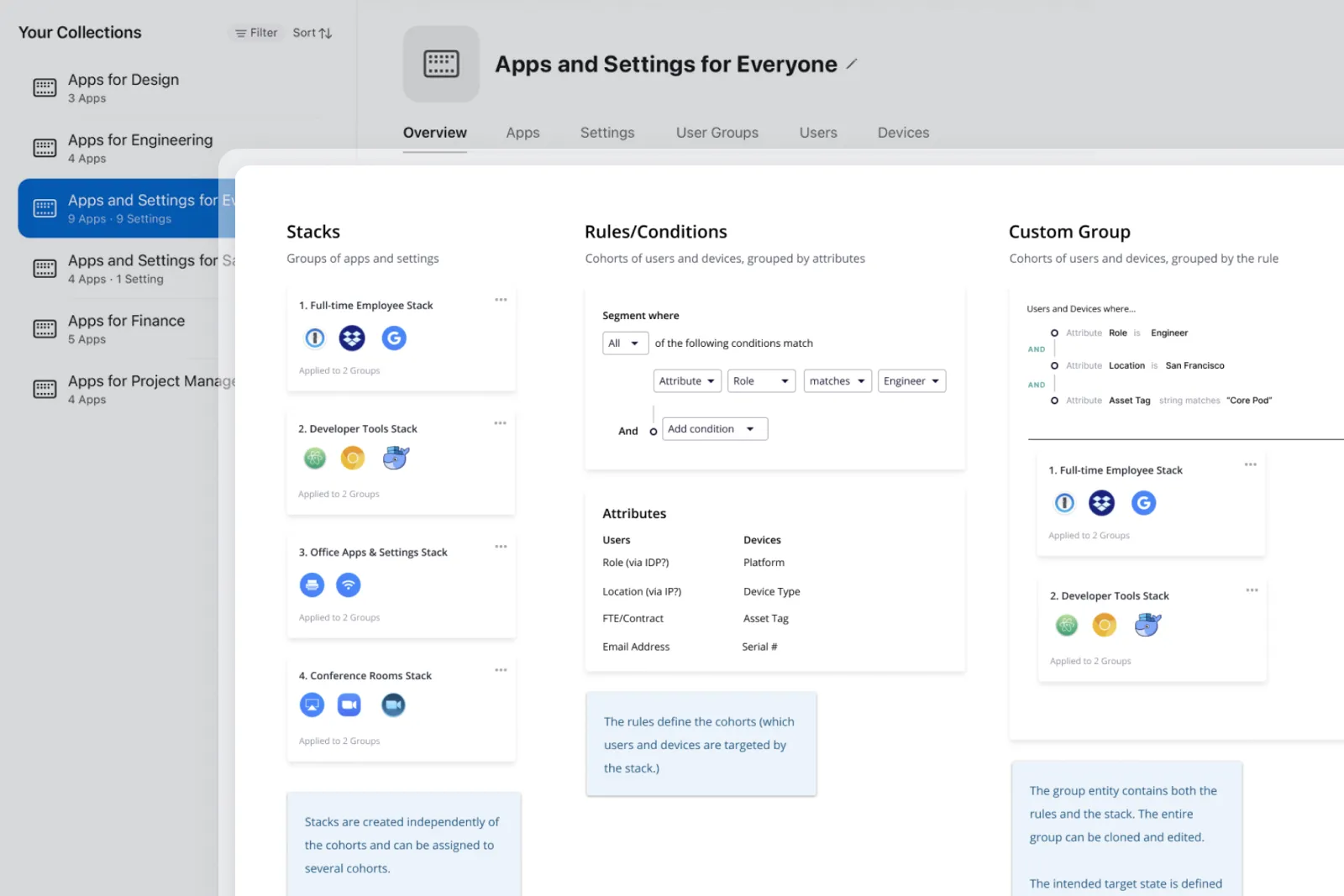
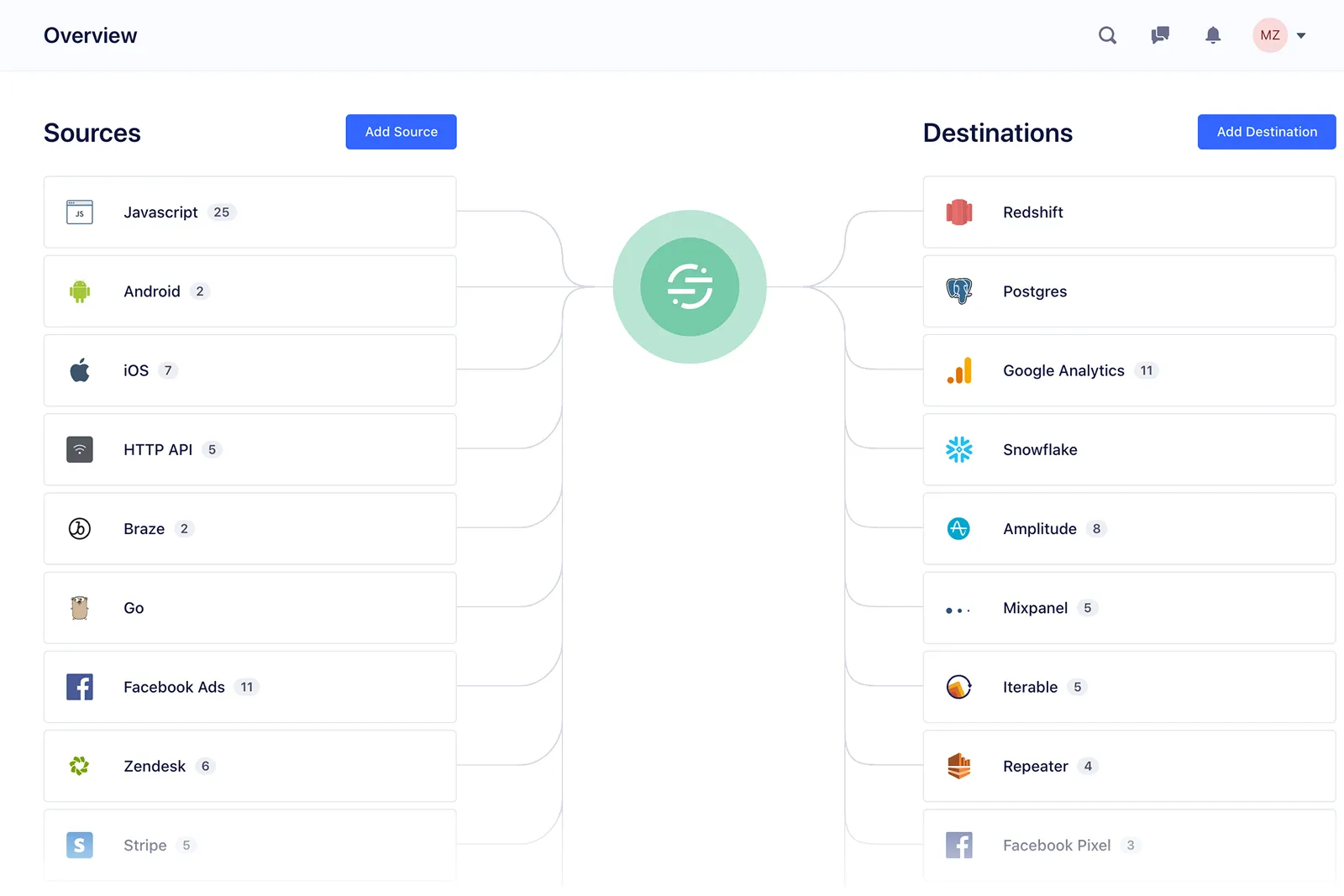
The same foundation served customers who looked nothing alike. Open Finance gave financial institutions a view built on the framework, and Bank Intelligence surfaced data-network insights to a different audience again. Each reused the shared patterns rather than reinventing Home, while serving entirely different needs.
Outcome
Dashboard evolved from a collection of developer utilities into Plaid’s primary self-serve customer platform. The lifecycle-driven experiences improved engagement across the journey: first-time feature engagement increased 119%, launch rates increased 32%, re-engagement increased 350%, and support deflected roughly 41% of tickets.
It became the acquisition, activation, launch, operations, and expansion surface for Plaid’s growing self-serve business, and self-serve revenue grew substantially as customers adopted and expanded their use of Plaid through it.